Varicose Veins

Varicose veins are more than just a cosmetic concern; they can cause discomfort and lead to other health issues if left untreated.
Learn about the causes and symptoms
3-step treatment pathway to healthy legs
Minimally invasive treatment methods
4.9 rating
Header image
Learn

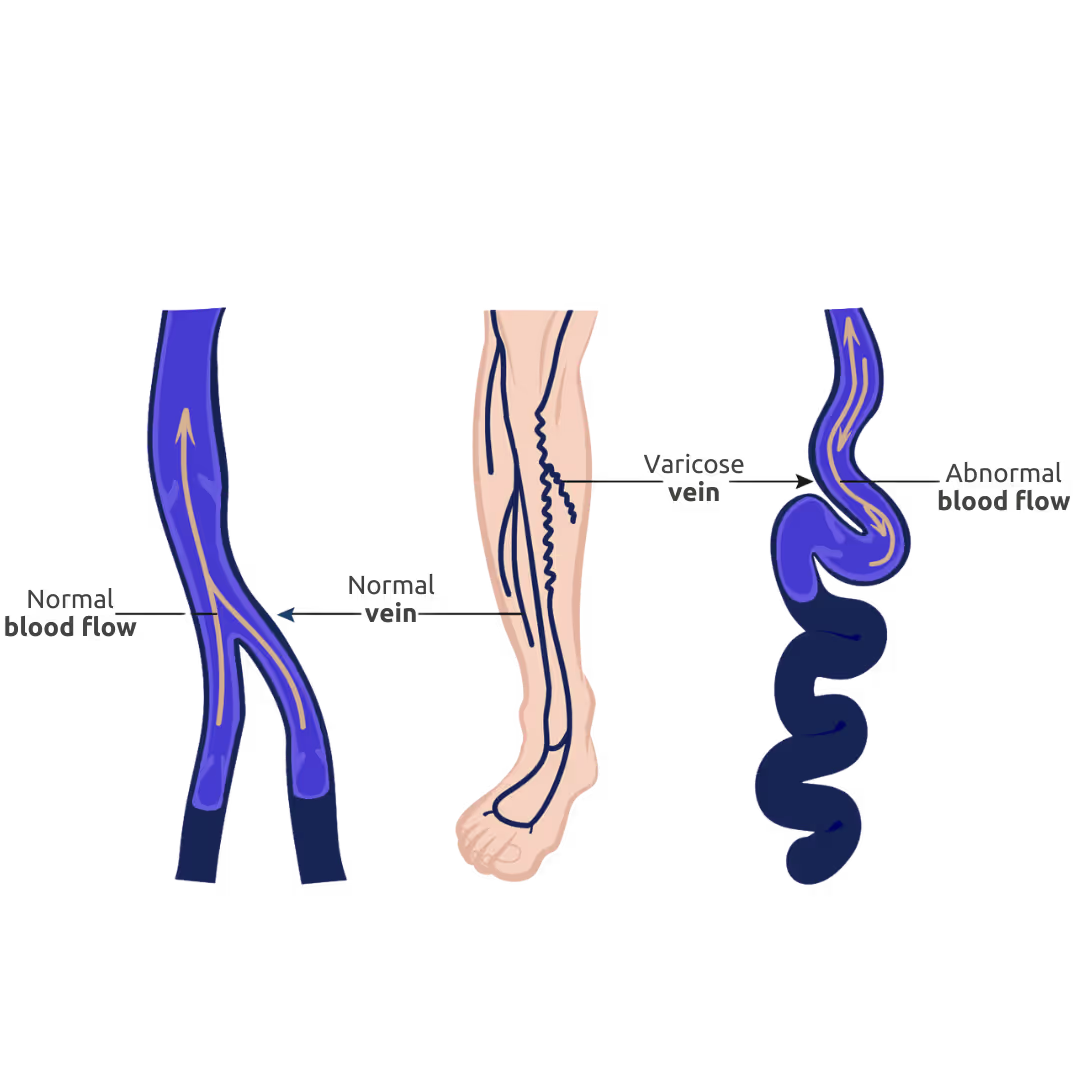
What are varicose veins?

Learn more about varicose veins, their cause and which symptoms to look out for

Causes of varicose veins

Understand the various factors contributing to the development of varicose veins

Symptoms of varicose veins

Varicose veins are more than just a cosmetic concern; they can also cause physical discomfort and indicate circulatory problems. Being aware of the symptoms is important for early recognition and management. Here are the key symptoms of varicose veins to look out for

Articles

Dive into our archive of articles on varicose veins and thread veins, and learn more. We cover everything from causes and symptoms to diagnosis and treatment
Credit card mockups
Treatment Pathway

Your pathway to healthy legs

At UK Vein Care, we provide a streamlined and patient-focused approach to treating varicose veins, ensuring comfort and effectiveness every step of the way.

Consultation & Scan

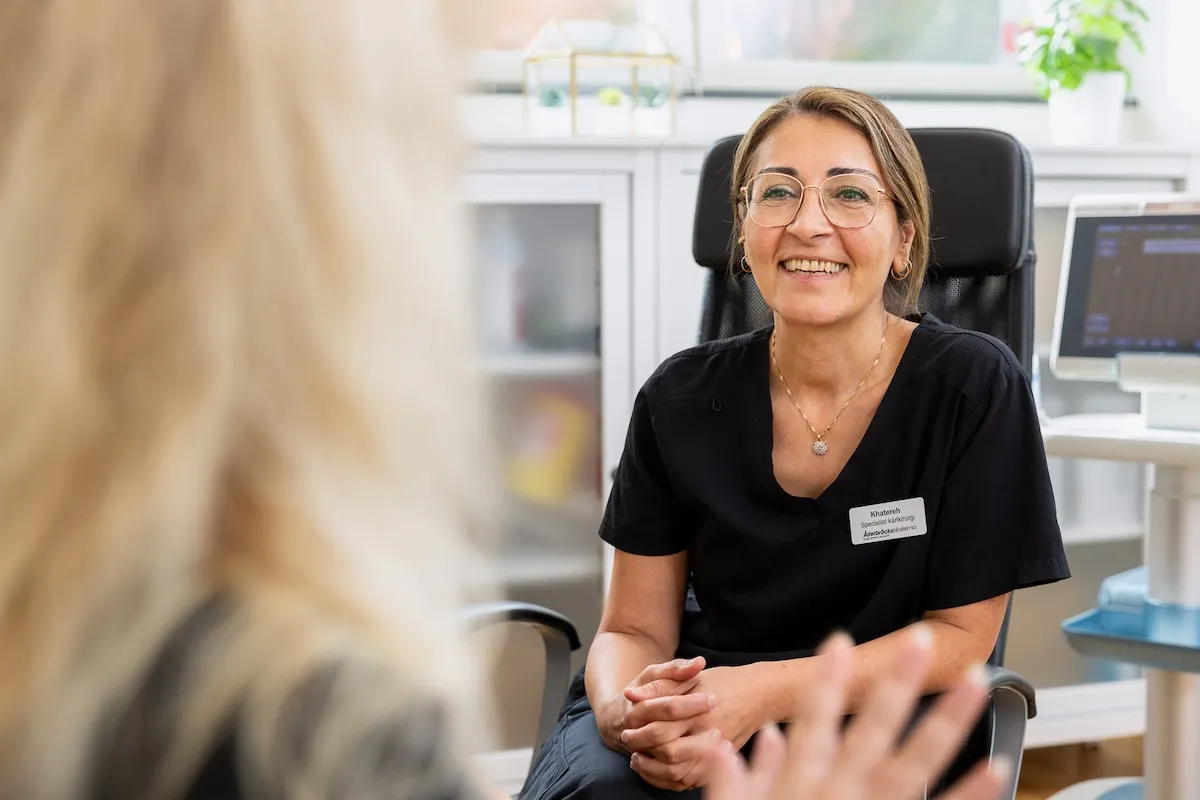
Utilising a duplex ultrasound scan, your vascular surgeron accurately diagnose the severity and specifics of your varicose veins. This allows us to analyse the veins in detail and formulate a tailored treatment plan

Treatment

Based on your unique diagnosis determined at the consultation, we proceed with the most effective treatment option. Our modern range of procedures follows the recommendations set out by the National Institute for Health and Care Excellence (NICE)

Check-up

6-8 weeks after your treatment, we can schedule a check-up appointment in order to make sure we achieved the desired results
Credit card mockups
Procedures

Treatment methods

Our range of treatment procedures is designed to cater to various needs and severities of this condition, ensuring that each patient receives personalised care.

Endevenous Laser Ablation (EVLA)

A minimally invasive procedure using laser energy to close off problem veins. It's a preferred method for its precision and quick recovery time.

Foam Sclerotherapy

This involves injecting a special foam into the veins, causing them to collapse and fade. It's particularly effective for smaller varicose veins and spider veins

Avulsions / Phlebectomies

These are minor surgical procedures to remove superficial veins through small incisions, often used in combination with other treatments for comprehensive results
Credit card mockups
Pricing

Simple no-tricks pricing

Become varicose vein free: We offer full treatment at a fixed and transparent price regardless of the treatment method. With us, there are no hidden fees.
Treatment
Treatment options
One Leg
Both Legs
Complete Varicose Vein Treatment
One leg
£2495
Both Legs*
£3495
  • Unique treatment plan for each patient
  • Performed by Vascular Surgeons
  • EVLA (Laser), Sclerotherapy (Foam), Phlebectomies, or a combination of one or more of them
  • Treatment guarantee of main veins up to one year
  • Free of charge checkup for peace of mind
Minor Superfecial Vein Removal
One leg
£850
Both Legs*
£1250
Superficial Vein Removal
One leg
£1150
Both Legs
£1750
If you had varicose vein treatment in the past and had your main veins successfully closed, but still have superficial veins bothering you, this option is for you. In this case, we can remove the superficial veins with Sclerotherapy (Foam), Phlebectomies or a combination.
Spider Vein Treatment
One leg
£495
Both Legs
For patients with small spider veins (thread veins) on the legs. We use Microsclerotherapy as a highly effective treatment method, performed by a Vascular Surgeon.  The price is per session and most patients need 2-3 sessions for the best results.
Consultation
£250
No hidden fees or costs
Schedule Appointment
Utilising a duplex ultrasound scan, we accurately diagnose the severity and specifics of your varicose veins.
Ultrasound scan
Tailored treatment plan
Fixed treatment price offer
1 on 1 time with your surgeon
4.9 overall rating

Related articles about varicose veins

Learn what varicose veins are, how they develop, and when to seek treatment.
Read more about varicose veins

Frequently asked questions

Find answers to all of your questions regarding varicose veins and thread veins.
Are varicose veins hereditary?
keyboard_arrow_down

A very large percentage of people who have varicose veins get them because of heredity. You are genetically predisposed to varicose veins if your mother or father had varicose veins.

Can I do anything to prevent varicose veins?
keyboard_arrow_down

Varicose veins cannot be completely prevented, but you can reduce the risk of occurrence by taking certain precautions, such as maintaining a healthy and active lifestyle, where the focus is on good blood circulation in the legs.

What are the most common causes of varicose veins?
keyboard_arrow_down

Heredity is the most common cause of varicose veins, and varicose veins are almost 100 percent hereditary. In addition to heredity, varicose veins are also often caused by smoking, obesity, inactivity and pregnancy.

Who gets varicose veins?
keyboard_arrow_down

About thirty percent of all people suffer from varicose veins at some point in their lives. Varicose veins are hereditary, so if one of your parents has had varicose veins, you are genetically predisposed to developing varicose veins yourself.

Why do you get varicose veins?
keyboard_arrow_down

In the veins are small valves that regulate the flow of blood towards the heart. These flaps wear over time, and as this wear increases, the risk of the flaps not holding tight increases. What then happens is that the blood flows back and collects in pools under the vein valves. It is these pools that form varicose veins.

Schedule Appointment
Book a consultation today and let us take care of you.
Can varicose veins lead to swelling in the legs?
keyboard_arrow_down

Varicose veins can indeed cause swelling, particularly in the ankles and feet. The swelling is usually worse at the end of the day or after prolonged periods of sitting or standing.

Is it normal for varicose veins to itch?
keyboard_arrow_down

Yes, itching is a common symptom associated with varicose veins. This itching is often due to the increased pressure within the veins and can be accompanied by a burning sensation.

Do varicose veins cause skin changes?
keyboard_arrow_down

In more advanced cases, varicose veins can lead to skin changes. These changes include thinning of the skin, inflammation, scaling, and even the development of venous ulcers, particularly around the ankles.

Can varicose veins cause leg pain or cramps?
keyboard_arrow_down

Yes, varicose veins can cause aching or a sense of heaviness in the legs, which may be accompanied by muscle cramps. The pain typically worsens after sitting or standing for extended periods.

What are the most common symptoms of varicose veins?
keyboard_arrow_down

The most noticeable symptoms include visible, bulging veins that are blue or dark purple in color. Other common symptoms are aching, heaviness, and discomfort in the legs, especially after standing or sitting for long periods. Some people may also experience swelling, itching, and muscle cramping in the affected areas.

Schedule Appointment
Book a consultation today and let us take care of you.
Do I need a referral to have treatment?
keyboard_arrow_down

No, you can contact us directly and book your consultation with the surgeon. No referral is needed.

How long does the consultation take?
keyboard_arrow_down

The consultation typically takes about 20 minutes. This duration is sufficient to perform the necessary examinations, have a detailed discussion, and develop a preliminary treatment plan, ensuring that your visit is both comprehensive and time-efficient.

Is the consultation and treatment plan binding?
keyboard_arrow_down

No, the consultation and the treatment plan are not binding. They are meant to inform you about your condition and the recommended treatment options. You have the freedom to consider the plan, seek a second opinion, and decide in your own time whether to proceed with the treatment.

Will I receive a treatment plan during my first consultation?
keyboard_arrow_down

Yes, after assessing your condition through the Duplex Ultrasound Scan and discussion, the specialist will provide you with a personalised treatment plan. This plan will detail the recommended treatment options, the expected outcomes, and a breakdown of the costs.

How should I prepare for my varicose veins consultation?
keyboard_arrow_down

Wear loose, comfortable clothing, as the specialist will need to access the area where the varicose veins are present. Bring a list of any medications you're taking and a record of your medical history. It's also helpful to have a list of questions or concerns you want to discuss with the specialist.

What happens during a varicose veins consultation?
keyboard_arrow_down

During the consultation, a vascular specialist will review your medical history, conduct a physical examination, and perform a Duplex Ultrasound Scan. This scan helps accurately diagnose the extent and severity of your varicose veins. The specialist will also discuss any symptoms you're experiencing and address your questions or concerns.

Schedule Appointment
Book a consultation today and let us take care of you.
Can I fly after surgery?
keyboard_arrow_down

There are no physical or medical reasons that prevent you from travelling immediately after the treatment. However, it is recommended that you contact your travel insurance provider, as they set the criteria for when you are insured following a treatment.

Can I sunbathe and bathe after treatment?
keyboard_arrow_down

It is recommended that you avoid direct exposure to the sun on your legs for at least 2 weeks post treatment. Use sunscreen, at least SPF 30, on your legs when you are in the sun to avoid discolouration or scarring. Direct sunbathing and sunbeds are not recommended.

How quickly can I start exercising after surgery?
keyboard_arrow_down

There is no specific prohibition against physical training after treatment. You can lift, walk, and run to the extent that you feel comfortable with. If you play a certain sport, please discuss this with your surgeon before booking your treatment.

Should I use a support stocking after surgery?
keyboard_arrow_down

There is no evidence that support stockings help with the long-term results or reduce the risk of complications. If you think it helps against swelling and discomfort, you can use a knee-high compression stocking for 5–6 days after the treatment, which you can purchase online.

Can I drive after surgery?
keyboard_arrow_down

We recommend that you bring someone with you to drive you home safely. If you have a bandage covering the entire leg, you may experience stiffness above the knee, which can hinder your ability to drive safely. Alternatively, you can choose to travel by public transport.

Does the operation hurt?
keyboard_arrow_down

The treatments carried out are virtually pain free as veins have no nerve endings. The only sensation a patient typically feels is when the injection for local anesthetic is administered. We always strive to make you as pain-free and comfortable as possible.

How long does the surgery take?
keyboard_arrow_down

A normal-length operation takes between 45 and 60 minutes. A larger operation on both legs can take up to 90 minutes.

Can I take sedatives before surgery?
keyboard_arrow_down

This can be discussed with your surgeon at your consultation.

Can I undergo treatment if I am on blood thinners?
keyboard_arrow_down

Yes. If you are taking blood-thinning medication, you should not stop it. This should only be done in extremely rare cases, and your surgeon would have informed you about it during your preliminary examination.

Schedule Appointment
Book a consultation today and let us take care of you.